Biomimetic Dentistry


in Manhattan, NY

At Studio Dental NY, biomimetic dentistry is guided by a simple philosophy: preserve as much healthy tooth structure as possible while restoring natural function, strength, and beauty through conservative treatment.
Biomimetic
Restorations

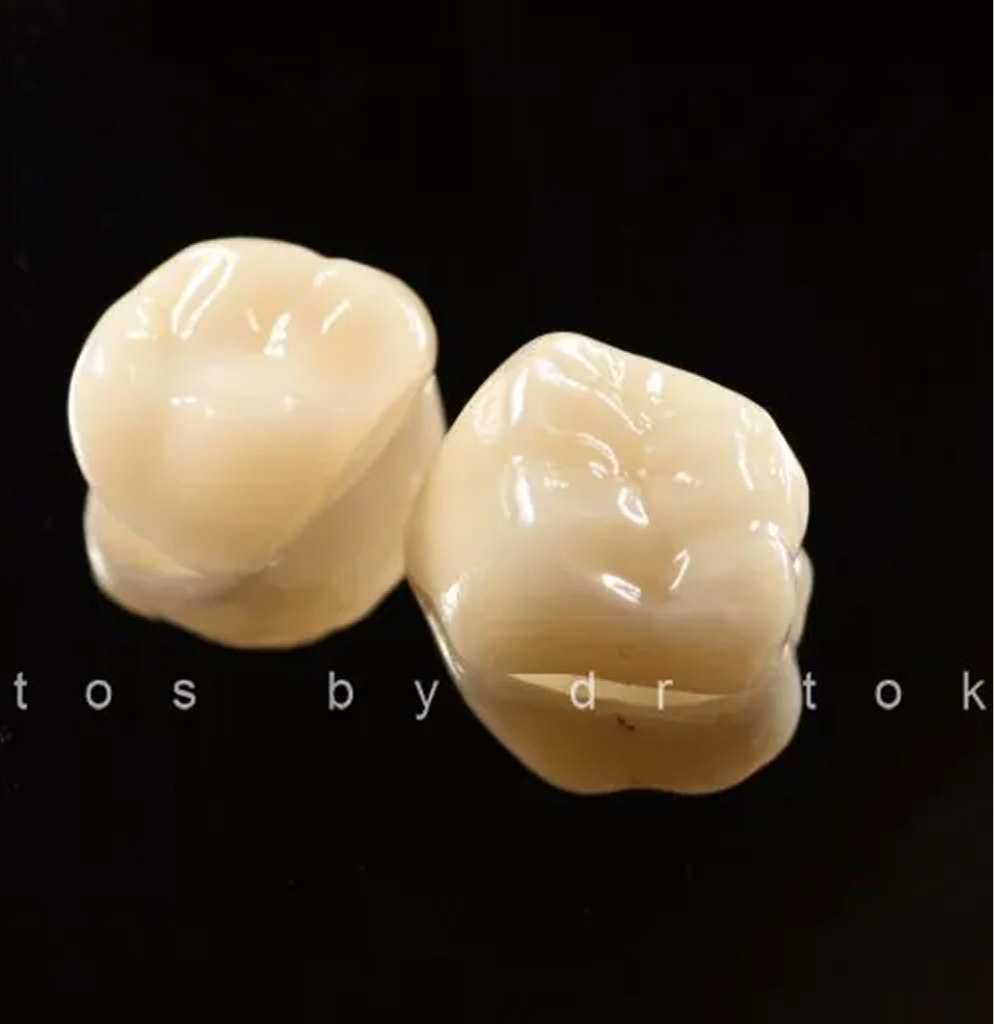
Biomimetic dentistry restores teeth by replicating the properties of natural enamel and dentin.Rather than relying immediately on full-coverage crowns, this approach reinforces remaining tooth structure using advanced adhesive techniques and layered materials that behave more like natural tooth tissue.
These restorative approaches are commonly used for damaged teeth, cracked teeth, large fillings, and teeth weakened by old restorations.Onlays and overlays are often used instead of full‑coverage crowns, allowing the tooth to retain more of its original strength and flexibility.
Biomimetic restorations often include dental onlays, overlays, bonded ceramic restorations, and other conservative alternatives to traditional crowns when clinically appropriate.

Onlays vs. Crowns

An onlay, with today’s advanced dental materials and knowledge, lets us prepare and shave much less structure than a traditional crown. Why? Because a traditional old school crown would need mechanical retention to hold on to your tooth and therefore the tooth will need much more reduction. Also, a traditional crown would easily come of compared to an onlay that is bonded (chemically retented to the tooth, therefore, under a knowledge clinician’s supervision, technically becomes a part of the tooth)

A crown can reduce up to 60-70 % of your tooth structure and reduce your enamel entirely, which is the outer and strongest shell of the tooth. Fun Fact: It is also known as the hardest structure in the body, even harder than a bone! Meanwhile, an Onlay will need reduction or shaving of only necessary compromised parts of your teeth if done by a skilled and knowledgeable clinician who is trained in adhesive dental principles.
Also, a traditional crown would come off easier as compared to an onlay that is bonded (chemically attached to the tooth, therefore, under a knowledgeable clinician’s supervision, technically becomes a part of the tooth)
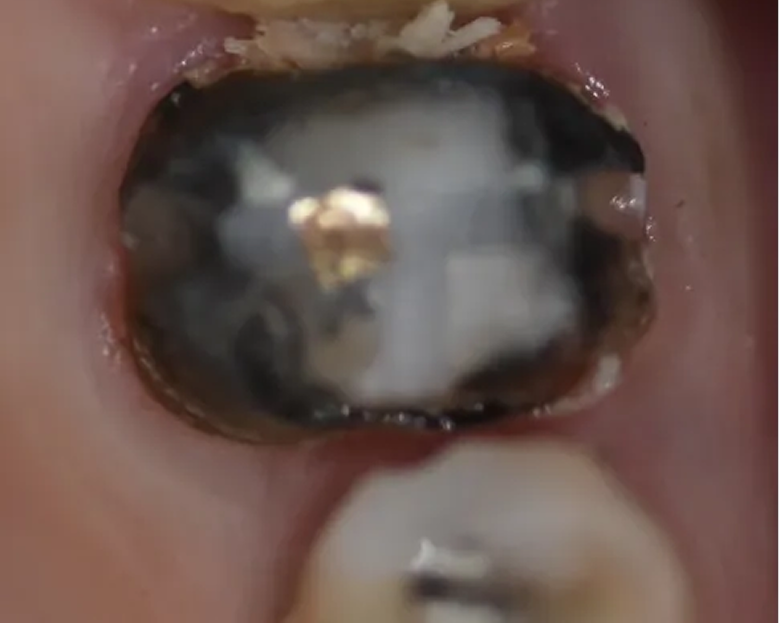
Old School Crown

This is what a tooth looked like after removal of a relatively well-fitted old school crown with mechanical retention and metal base. 60-70% of the tooth structure was removed already to achieve retention for the crown.

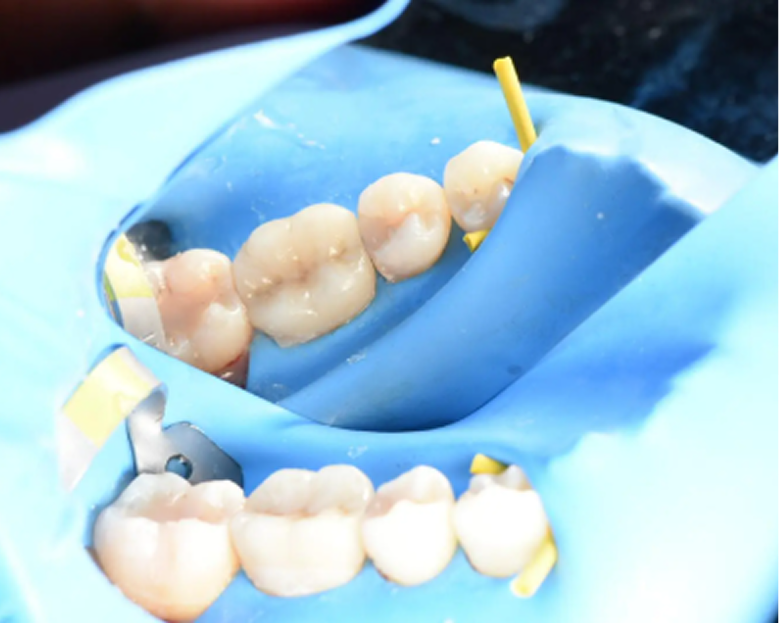
Biomimetic Adhesive Porcelain Onlay

This is what a porcelain onlay looked like after removal of the porcelain. The strong enamel shell is protected and the tooth was only prepared (shaved down) where it was weak or decayed. Tooth is healthier and isolated with dentin sealing materials.
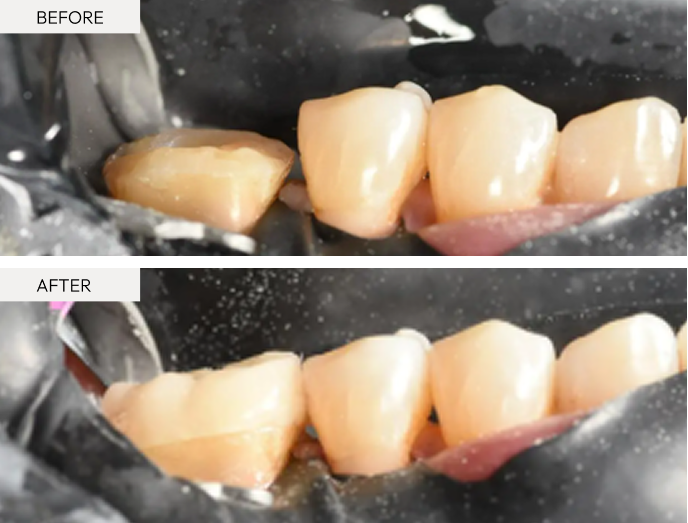

Old School Crown vs. Biomimetic Adhesive Porcelain

How Biomimetic
Cases Are Planned

Planning begins with a detailed evaluation of the tooth’s structural condition. Digital imaging and photography document cracks, old restorations, and areas of weakened dentin. Functional analysis determines how the tooth loads during chewing. A restoration plan is then designed to reinforce the tooth from within, using adhesive layers that mimic natural biomechanics.

Adhesive‑Based Tooth Preservation

Biomimetic dentistry avoids aggressive reduction. Instead of cutting the tooth for a crown, weakened areas are reinforced with adhesive materials that bond to enamel and dentin. Layered composites and ceramics are placed in a way that distributes forces more naturally, reducing the risk of future fractures.
This approach supports conservative restorations designed to reduce stress concentration and preserve remaining tooth structure whenever possible.

Dr. Toksoy’s
Biomimetic Approach

Biomimetic treatment in this practice is guided by Dr. Toksoy’s focus on conservation, adhesive strength, and structural reinforcement. His approach prioritizes maintaining natural tissue, stabilizing cracks, and restoring function with materials that behave like real tooth structure. Each case is evaluated for structural integrity, functional demands, and restorative goals rather than simply replacing missing tooth structure. How he leads each case:

Natural Function and Structural Integrity

Biomimetic restorations are designed to move, flex, and distribute forces like natural enamel and dentin. Layered materials replicate the tooth’s internal architecture, allowing the restored tooth to function more predictably under everyday load. This reduces the likelihood of cracks, sensitivity, and catastrophic failure.

This approach is often used for damaged teeth, cracked teeth, and structurally compromised teeth where preserving healthy remaining tooth structure is possible.

When Biomimetic Treatment Is Recommended

Biomimetic dentistry is ideal when the tooth is damaged but still has enough structure to be reinforced rather than replaced.

Suitable for:

Not recommended for:

Digital Diagnostics and
Adhesive Systems

Digital tools and adhesive protocols support precise biomimetic treatment. Imaging identifies structural weaknesses, while adhesive systems allow restorations to bond strongly to enamel and dentin. Layering techniques and controlled isolation ensure long‑term stability.

Digital diagnostics help identify structural weaknesses, cracks, and areas where conservative treatment approaches may be appropriate.

Your Biomimetic Visit

Biomimetic treatment is delivered through three clear stages designed to reinforce the tooth while preserving natural structure.
Digital imaging and structural evaluation identify cracks, decay, and weakened areas.
Compromised dentin and cracks are reinforced using adhesive techniques that strengthen the tooth internally.
Layered composite or ceramic materials are placed to replicate natural biomechanics, followed by bite evaluation to ensure long‑term stability.

Principles That Define Our Biomimetic Treatments

Structural
Preservation

Healthy enamel and dentin are maintained whenever possible.

Adhesive
Reinforcement

Weakened areas are strengthened using advanced bonding techniques.

Biomechanical
Integration

Restorations are designed to behave like natural tooth structure.

Precision
Diagnostics

Digital tools guide treatment planning and structural evaluation.

Conservative Crown
Alternatives

When clinically appropriate, onlays, overlays, and bonded restorations may be considered before full-coverage treatment options.

Insights with Dr. David Toksoy

Frequently Asked Questions (FAQ)

It focuses on preserving natural structure and reinforcing weakened areas instead of removing healthy
tooth tissue for crowns.
When properly planned and bonded, biomimetic restorations can provide long‑term stability with less removal of natural structure.
Not always. Some teeth require full‑coverage protection if too much structure is missing.
Yes. Reinforcing the tooth with adhesive materials helps distribute forces more naturally.
Onlays restore damaged portions of a tooth, while crowns cover the entire tooth. In some cases, onlays may preserve more healthy tooth structure and support more conservative treatment.
Onlays and overlays often preserve more healthy enamel because treatment focuses only on damaged areas rather than full-tooth coverage.
Sometimes. Depending on the amount of remaining tooth structure, options such as onlays, overlays, adhesive restorations, or biomimetic treatment may be considered.
Overlays are bonded restorations used to rebuild larger areas of damaged teeth while preserving healthy tooth structure whenever possible.
Biomimetic dentistry is commonly used for cracked teeth because adhesive restorations can help reinforce weakened areas while preserving natural tooth structure.