Minimal-Prep Porcelain Veneers


in Manhattan, NY

Guided by the principles of preservation and natural esthetics, minimal-prep veneers are crafted to enhance facial harmony while minimizing alteration of healthy tooth structure.

Porcelain veneers at Studio Dental NY use minimal-prep and conservative veneer techniques designed to improve smile shape, color, proportion, and symmetry while preserving healthy tooth structure whenever clinically appropriate.
Dr. Toksoy combines adhesive dentistry, digital planning, and facial analysis to create natural-looking veneer results tailored to each patient.

What Are Minimal-Prep
Porcelain Veneers?

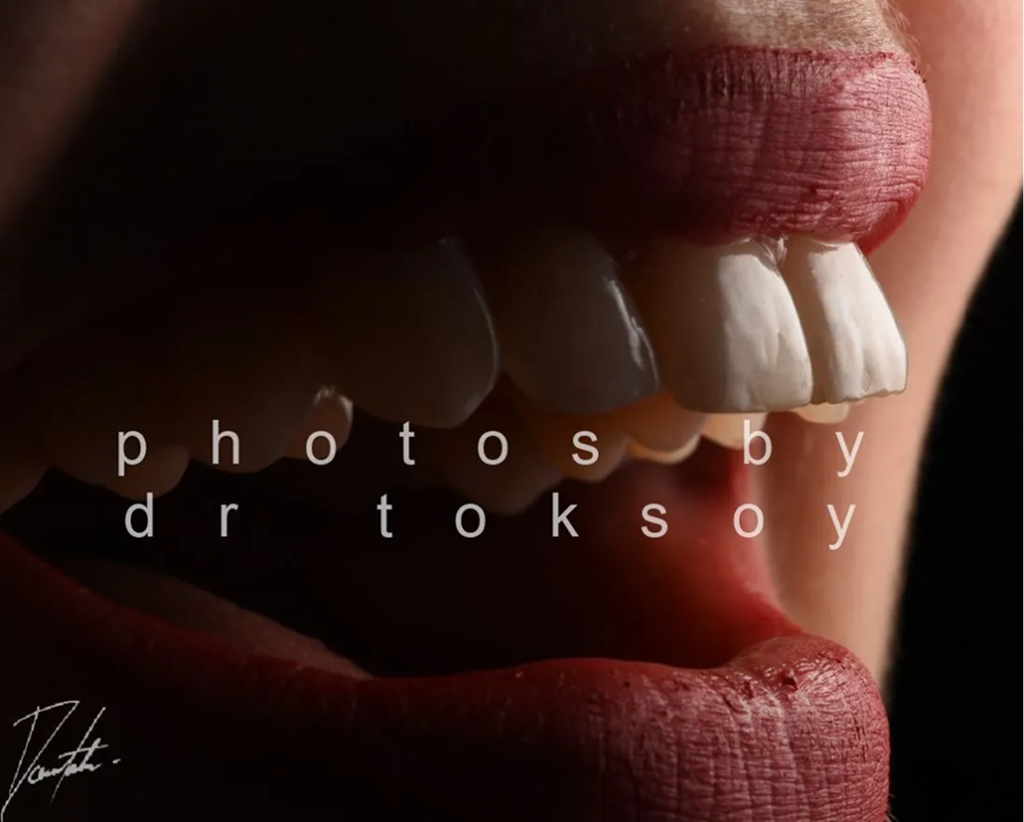
A porcelain veneer is an ultra-thin ceramic shell bonded to the front surface of a tooth. Minimal-prep veneers, sometimes called conservative or enamel-preserving veneers, require little or no removal of tooth structure before placement. At 0.2 to 0.5 millimetres thick, they are comparable in dimension to a contact lens. Traditional veneers often require grinding down a significant layer of enamel to create room for the veneer to sit flush. Minimal-prep veneers sidestep much of that reduction by using ultra-thin ceramic that bonds directly to the existing tooth surface, or with only the lightest surface preparation. This is not a one-size approach. Some cases genuinely require a small amount of preparation to achieve the right result. Dr. Toksoy evaluates each tooth individually and recommends only what is clinically and aesthetically necessary, never more.

A Natural Result, Not a Uniform One

The most common complaint patients bring to Studio Dental NY about veneers done elsewhere is that they look artificial, too white, too uniform, too straight. Teeth that have clearly been veneered. The goal here is the opposite. Natural teeth have variation. They have translucency at the edges, subtle texture, and slight tonal differences between teeth. Porcelain that mimics this, and that is proportioned to the width and height of your face, the shape of your lips, and the position of your gum line, disappears into your smile instead of announcing itself. Dr. Toksoy approaches each case as a design problem, not a production line. The number of veneers, the shape of each one, and the shade are all considered in the context of facial harmony. No two smile designs are the same.

Why Patients Choose
Minimal-Prep Veneers

Minimal-prep veneers address a specific set of cosmetic concerns with the least possible impact on the underlying tooth. They are the preferred option when:
Iintrinsic staining that does not respond to whitening, including tetracycline-related discolouration or fluorosis
Rough, pitted, or uneven enamel that catches light poorly
Teeth that are worn at the edges, laterally small, or have subtle asymmetries that affect the overall smile line
Rough, pitted, or uneven enamel that catches light poorly
Small gaps between front teeth that are too minor for orthodontic treatment but noticeable in photos

Who Is a Good Candidate for Minimal-Prep Veneers?

The ideal candidate for minimal-prep porcelain veneers has cosmetic goals that are refinement-focused rather than reconstructive. Specifically:

When Another Option May Be Better

Not every cosmetic concern is best addressed with veneers, and a practice that recommends veneers for every case is not acting in the patient’s best interest. The following situations warrant a different approach or treatment before veneers:
orthodontic treatment (Invisalign) addresses the underlying alignment. Veneering crowded teeth without correcting position produces an unstable and often unattractive result.
Must be treated and fully resolved before any cosmetic work is appropriate.
if previous veneers, wear, or erosion have depleted the enamel layer, there may not be a sufficient bonding surface. A different restoration type may be needed.
unmanaged grinding places extreme force on veneers and greatly increases fracture risk. A nightguard or occlusal management plan must be in place first.
if the concern is discolouration only, professional whitening is always evaluated first. It is more conservative, more reversible, and significantly less costly.
composite bonding may achieve a visually equivalent result with no enamel removal at all and at a fraction of the cost. At Studio Dental NY, the first recommendation is always the most conservative option that achieves the clinical and aesthetic goal.

The Studio Dental NY Approach to Smile Design

The planning process begins before a single veneer is prepared. Dr. Toksoy takes photographs, digital scans, and bite records at your consultation visit. These are used to evaluate tooth proportions in relation to facial width, lip position, gum contour, and the midline, and to design a veneer set that works for your face, not a generic template. Digital mockups or diagnostic wax-ups may be used to preview the proposed result before preparation begins. This allows you to approve the design, or request adjustments, before any irreversible steps are taken. Porcelain selection and shade matching are carried out with care. The ceramist matters: Studio Dental NY works with high-quality ceramists to produce restorations with natural translucency and texture that mass-production labs cannot replicate. Bonding protocol is the final critical step. Even a well-designed veneer will fail or discolour prematurely if bonded incorrectly. The adhesive preparation, isolation, and curing process at Studio Dental NY follows a precise sequence to ensure the strongest, most durable bond possible.

What to Expect: The
Veneer Treatment Process

Photographs, digital scans, bite records, and gum health evaluation. Discussion of cosmetic goals and options. Candidacy confirmed or alternatives discussed.
Tooth proportions analysed in the context of facial features. Digital mockup or diagnostic wax-up created for your preview and approval.
A minimal layer of enamel surface may be refined. For no-prep cases, this step is skipped entirely. Impressions or digital scans are sent to the ceramist.
If preparation has been done, temporary veneers are placed while your final restorations are fabricated. This gives you a functional preview of the result.
Final veneers are tried in for shape, shade, and fit approval. Once confirmed, a precision bonding protocol is followed to ensure maximum adhesion and longevity.
A follow-up visit confirms the bite, gum health, and your satisfaction. Ongoing regular examinations help protect the long-term result.

What to Expect During Veneer Treatment

Veneer treatment follows a defined clinical sequence designed to maintain precision and preserve enamel.
Digital scans, photography, and bite assessment establish the baseline. Facial analysis and preliminary design define ideal length, width, and proportion.
A mock‑up is reviewed on the teeth or digitally to evaluate esthetics, phonetics, and functional dynamics before any tooth modification.
Enamel‑preserving preparation is performed only where necessary to create space for ceramic. Provisional restorations may be placed to test esthetics and function.
Ceramic veneers are tried in, verified for fit and shade, and bonded using adhesive protocols under controlled isolation. Occlusion is refined to protect both veneers and natural teeth.
A follow‑up visit evaluates bite, soft tissues, and long‑term maintenance needs.

Our Before &
After Results

Principles That Guide Our Veneer Treatments

Enamel Preservation

Preparation is limited to areas where change is clinically necessary. Enamel is maintained as the primary bonding substrate whenever possible.

Facial‑Driven Design

Veneers are proportioned to the face, lip position, and gum architecture—not to a cosmetic template.

Adhesive Dentistry

Bonding protocols are performed under controlled isolation using systems optimized for enamel, supporting long‑term stability.

Customized Ceramics

Ceramics are crafted with individualized texture, translucency, and internal characterization to mimic natural enamel.

How Long Do Minimal-Prep Veneers
Last and How to Care for Them

With proper care, minimal-prep porcelain veneers typically last 10 to 20 years. Longevity depends primarily on bite habits, oral hygiene, and how well the original bonding was performed. Porcelain veneers do not decay, but the margins where veneer meets tooth can be susceptible to decay if oral hygiene is neglected. Care recommendations:

What Does It Cost to Get Veneers in Manhattan?

Veneer costs vary based on a number of case-specific factors. A personalised estimate is provided after your consultation and smile design review not before, because a meaningful quote requires understanding your specific case. Factors that influence cost:

Why We Are Different

We don’t upsell. We
don’t overtreat.

Our priority is preserving your teeth and your trust. If it’s not necessary, we won’t recommend it, we will treat everyone as if we are treating close family and a loved one.

A conservative, minimally
invasive approach.

We believe in doing less, not more—if it leads to better results. That means bonding, whitening, and aligners when possible instead of aggressive procedures.

Modern tools that improve
accuracy and comfort.

Digital scans, Pearl AI, SprintRay Midas same-day onlays, soft-tissue lasers, and AI-powered smile design. Advanced technology with a preservation-first approach.

We rarely do crowns.

With today’s adhesive materials, we can often restore strength and esthetics while preserving more of your natural tooth structure.

Top-level lab work.

Our ceramics are created by experienced technicians from the Oral Design Group—where esthetics meet precision.

Team trained by Dr. Toksoy

Everyone on our team trains under Dr. Toksoy who lectures and studies internationally constantly and shares the same commitment: ethical, evidence-based care.

Minimal-Prep Porcelain Veneers
Frequently Asked Questions

No. They are designed specifically to preserve natural enamel. The minimal preparation involved, if any, is far less than traditional veneers.
This depends on how many teeth are visible in your smile and which ones need refinement. Some patients require a single veneer for a chipped tooth; others choose to treat the full visible smile
Yes, when designed with individual facial proportions in mind and crafted with quality porcelain. The goal at Studio Dental NY is a result that looks like your own teeth, improved. Not a uniform, artificial-looking set.
Not universally. Porcelain veneers are more durable and stain-resistant than composite, and are preferred when the cosmetic goal requires a more comprehensive change. Composite bonding requires minimal enamel removal, costs less, and is repairable. For minor corrections, bonding may be the more appropriate and more conservative choice. Dr. Toksoy will recommend the right option for your case, not the more expensive one by default.
Yes, small to moderate gaps between front teeth can be closed with veneers by widening the affected teeth. Larger gaps or spacing caused by bite misalignment are typically better addressed with Invisalign first.
With proper care good oral hygiene, no nighttime grinding without a guard, and regular check-ups minimal-prep porcelain veneers typically last 10 to 20 years.
Porcelain is highly stain-resistant. The veneer surface itself does not absorb colour the way natural enamel does. However, the bonding margin at the gum line can be susceptible over time. Regular professional polishing helps maintain the appearance.
A veneer consultation at Studio Dental NY evaluates your enamel thickness, bite stability, gum health, and cosmetic goals before any recommendation is made. If veneers are not the right option for your situation, Dr. Toksoy will tell you and explain what alternatives exist. Dr. Toksoy will recommend the minimum number needed to achieve a balanced, natural result.

Ready to Refine Your Smile?

A veneer consultation at Studio Dental NY starts with a conversation, not a commitment. Dr. Toksoy will evaluate your smile, listen to your goals, and give you an honest assessment of whether minimal-prep veneers are the right approach or whether a more conservative option would serve you better. Studio Dental NY is at 81 Irving Place, Suite 1D, Gramercy Park, Manhattan, a short walk from the 23rd Street subway station. Call 212.260.2652 or book online to arrange your consultation.