Dental Bonding
in Manhattan, NY
Dental bonding at Studio Dental NY offers a fast, conservative solution for improving the appearance of chipped, cracked, stained, or uneven teeth. Using tooth-colored composite resin, Dr. David Toksoy carefully sculpts and bonds the material to your teeth to create a seamless, natural-looking smile—often in just one visit.
What Is Dental Bonding?
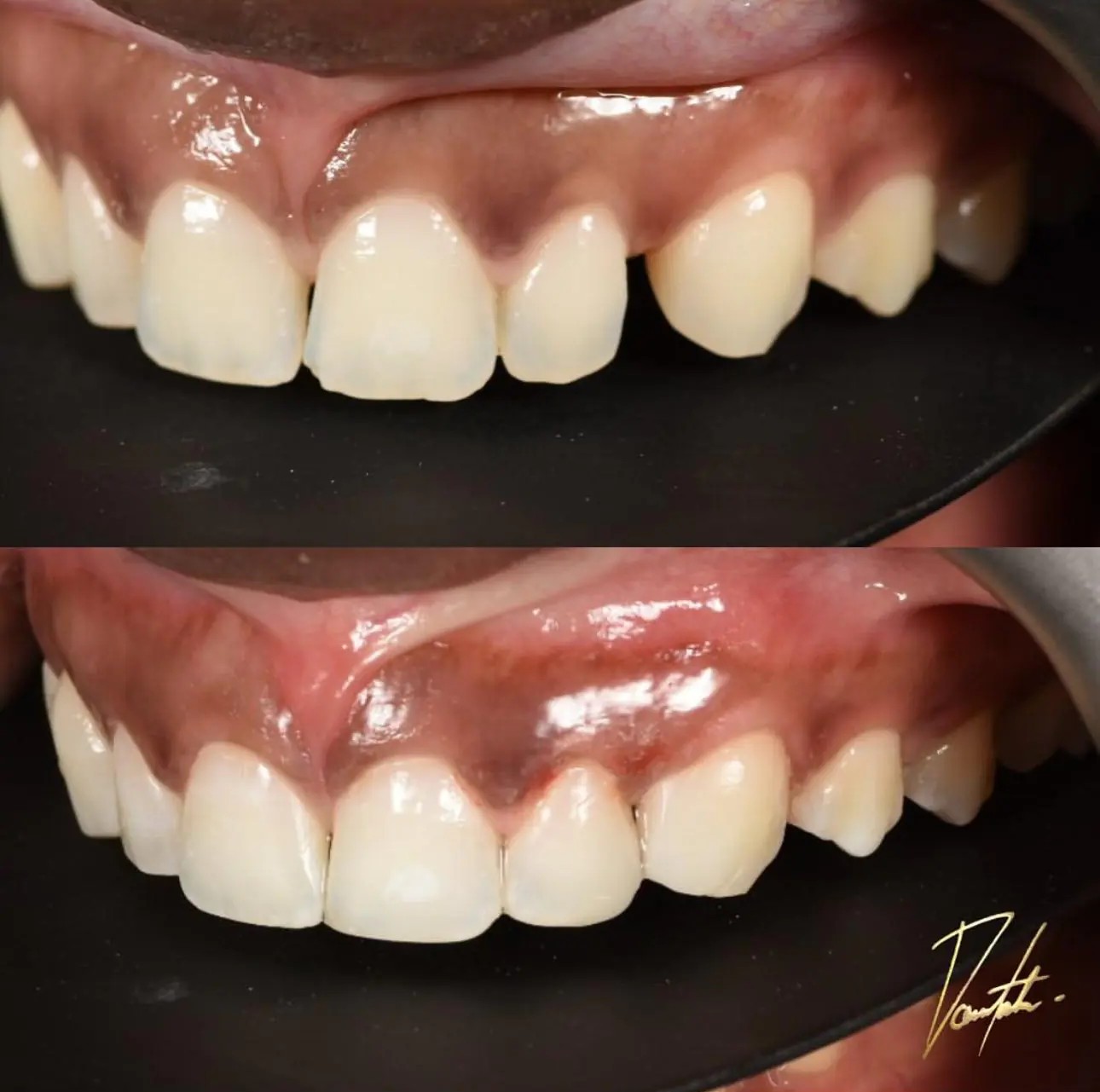
Dental bonding is a cosmetic dentistry procedure where a tooth-colored composite resin material is applied to the tooth, sculpted into shape, and then hardened with a special light. This process effectively bonds the material to the tooth, restoring its natural appearance. It is a direct, in-office procedure designed to correct minor aesthetic flaws.

Bonding Overview
This minimally invasive procedure uses a tooth-colored resin applied directly to the tooth, then sculpted and polished to seamlessly blend with your natural smile. It’s an ideal choice for addressing minor aesthetic concerns efficiently.
Preparation & Consultation
Your journey begins with a comprehensive consultation to assess your oral health and discuss your aesthetic goals. We will determine if dental bonding is the appropriate solution for your specific needs. No extensive preparation is usually required before the procedure itself, making it a convenient option for many patients.
During Your Bonding Procedure
-
Shade Selection
First, our team will help you select a composite resin shade that closely matches the color of your natural teeth. This ensures that the bonded area blends seamlessly with your smile. A shade guide is used to achieve the most natural and discreet outcome possible.
-
Tooth Preparation
Next, the surface of the tooth is gently roughened, and a conditioning liquid is applied. This creates a strong bond between the tooth structure and the composite resin material. Anesthesia is often not necessary unless the bonding is used to fill a decayed tooth.
-
Resin Application & Shaping
The tooth-colored resin is then applied, molded, and smoothed to the desired shape. Our skilled team carefully sculpts the material to correct imperfections and enhance the tooth’s appearance. Precision and artistry are key during this stage.
-
Hardening & Polishing
A special ultraviolet or laser light is used to harden the resin, bonding it securely to your tooth. Finally, the bonded tooth is trimmed, smoothed, and polished to achieve a natural luster that matches your surrounding teeth. This completes the transformation.
Schedule Your Consultation
Recovery After Bonding
Immediate Aftercare
After your dental bonding procedure, you can typically resume your normal activities immediately. There is generally no downtime associated with this treatment. You may experience some mild sensitivity, which usually subsides quickly.
Eating and Drinking
It is advisable to avoid consuming staining foods and beverages, such as coffee, tea, and red wine, for the first 24-48 hours. This helps prevent discoloration of the newly bonded material. Chewing on hard foods directly on the bonded tooth should also be avoided.
Oral Hygiene
Maintain good oral hygiene practices by brushing twice daily and flossing once a day. Regular cleaning helps to preserve the longevity and appearance of your dental bonding. Use a non-abrasive toothpaste to protect the resin.
Follow-Up Care
Routine dental check-ups are important to monitor the condition of your bonded teeth and overall oral health. While durable, bonding material can chip or wear over time, and regular visits allow for timely adjustments or repairs. Our team will provide specific aftercare instructions tailored to your needs.
Results & Longevity
The results of dental bonding are immediate, providing an enhanced aesthetic upon completion of the procedure. With proper care and maintenance, bonded teeth can last for several years before needing repair or replacement. Avoiding habits like biting nails or chewing on ice can significantly extend their lifespan.
Who Is Bonding For?
-
Individuals with minor chips or cracks in their teeth.
-
Patients looking to fill small gaps between teeth.
-
Those wishing to improve the appearance of discolored or stained teeth not responsive to whitening.
-
People with exposed tooth roots due to gum recession, seeking protection and aesthetic improvement.
Bonding Benefits
Choosing dental bonding provides numerous advantages for smile enhancement. It’s a highly conservative treatment, preserving more of your natural tooth structure than alternatives. The procedure is typically completed in just one visit, offering immediate and noticeable improvements. Patients benefit from its affordability, versatility in correcting various flaws, and the natural-looking, seamless results it achieves.
The Injection Molding Technique
For patients seeking exceptional precision, Dr. Toksoy offers the injection molding technique—an advanced approach to dental bonding that goes beyond traditional freehand sculpting. Your new smile is first designed and previewed using a diagnostic mock-up. A custom silicone mold is then created directly from that design. Composite resin is injected into the mold and applied to your teeth, rather than shaped by hand. This allows for greater control, more consistent results, and a smoother, more efficient procedure—especially when several teeth are being treated at once. The result is a natural-looking, symmetrical smile with less chair time and more predictability than conventional bonding methods.
Cost of Dental Bonding
The cost of dental bonding can vary depending on the number of teeth being treated, the extent of the cosmetic improvements needed, and the complexity of your case. Whether you are repairing a chipped tooth, closing small gaps, or enhancing the shape and appearance of your smile, your treatment plan will be customized to meet your unique goals. During your consultation, our team will evaluate your smile, discuss your treatment options, and provide personalized pricing information tailored to your needs.

Why Choose Our Practice?
At Studio Dental NY, we combine artistic skill with precise dental techniques to deliver exceptional results. Our patient-centered approach ensures you receive personalized care tailored to your unique smile goals. We prioritize comfort and clarity throughout your treatment journey, ensuring a positive experience.
Bonding FAQs
Is dental bonding painful?
Most patients find dental bonding to be a comfortable procedure, often requiring no anesthesia. If the bonding is performed to fill a cavity or near a nerve, a local anesthetic may be used to ensure your comfort. We prioritize your relaxation throughout the process.
How long does dental bonding last?
With proper care and good oral hygiene, dental bonding can last between 5 to 10 years. Its longevity depends on factors like your bite, diet, and whether you avoid habits such as biting hard objects. Regular dental check-ups help monitor its condition.
Can bonded teeth be whitened?
No, the composite resin material used in dental bonding does not respond to teeth whitening treatments. If you are considering teeth whitening, it is recommended to do so before your bonding procedure so the resin can be matched to your new, lighter shade. This ensures a consistent tooth color.
What is the difference between bonding and veneers?
Dental bonding uses a composite resin applied directly to the tooth, making it a less invasive and often more affordable option. Veneers are custom-made, thin shells of porcelain or composite that cover the entire front surface of the tooth. Veneers are typically more durable and stain-resistant, while bonding is ideal for smaller corrections.
Are there any restrictions after dental bonding?
For the first 24-48 hours, it’s advised to avoid consuming highly staining foods and drinks to prevent discoloration of the new resin. You should also avoid biting on hard objects or using your bonded teeth to open packages, which could chip the material. Maintaining good oral hygiene is crucial for long-term results.